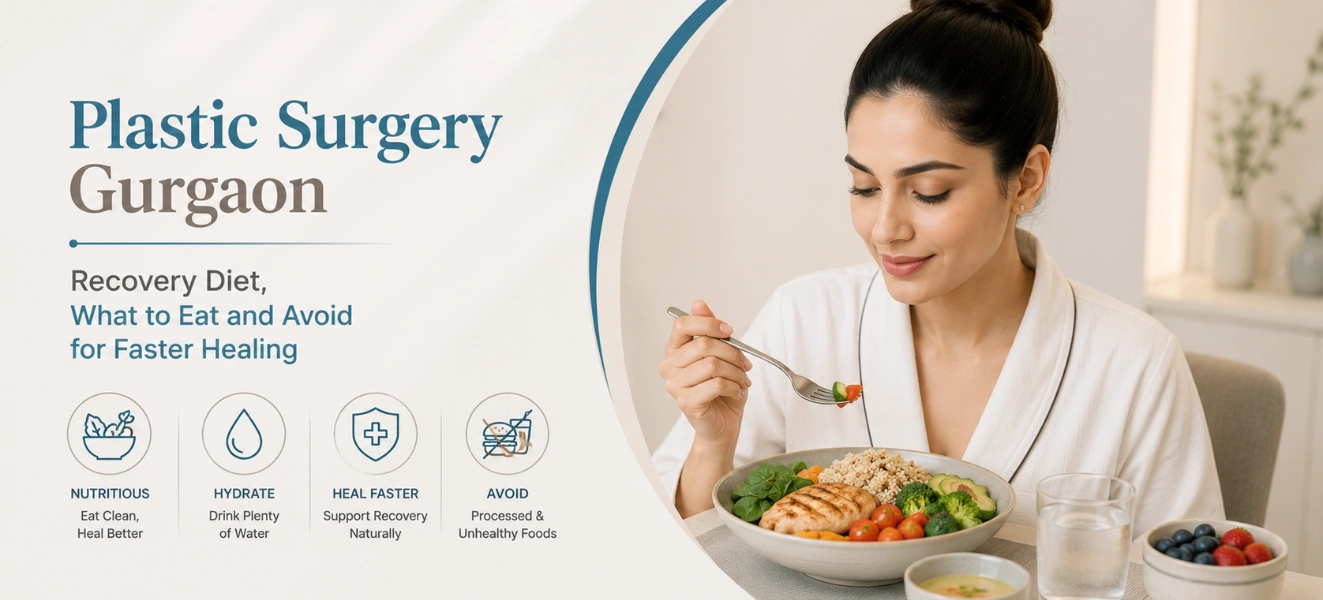
Most plastic surgery pre-operative instructions cover the obvious dietary ground: nothing by mouth after midnight before the procedure, avoid alcohol in the week before, take or avoid specific medications as directed. What they rarely address in adequate detail is the post-operative dietary period: what the patient eats and avoids in the days, weeks, and months after plastic surgery in Gurgaon directly affects how quickly they heal, how much they swell, how their scar matures, and whether their immune system is adequately resourced to handle the biological demands of surgical recovery.
This guide covers the nutrition science behind plastic surgery in Gurgaon recovery for patients at Artemis Hospital. It is not a rigid meal plan but a framework of evidence-based principles that can be applied to any surgical procedure at any stage of recovery, from the immediate post-operative period through the scar maturation phase.
Call +91 82879 23924 or contact Artemis Hospital if you have specific dietary questions related to your recovery after plastic surgery in Gurgaon.
What Foods Speed Up Healing After Plastic Surgery?
Protein: The Foundation of Tissue Repair
Protein is the most important single macronutrient for post-surgical healing. Every aspect of the healing process, from the synthesis of collagen in the wound to the production of white blood cells for immune defence, to the repair of muscle tissue disturbed during the procedure, requires an adequate supply of amino acids. The recommended protein intake for surgical patients in the acute recovery phase is 1.5 to 2.0 grams of protein per kilogram of body weight per day, which is approximately double the standard dietary reference intake for a healthy adult. For a patient weighing 60 kilograms, this translates to 90 to 120 grams of protein per day across all meals.
The best protein sources for post-operative recovery after plastic surgery in Gurgaon are those with high biological value, meaning they provide a complete profile of essential amino acids: eggs, lean poultry (chicken, turkey), fish, paneer and low-fat dairy products, and legumes (dal, lentils) in combination with rice or chapati to complete the amino acid profile. Protein supplements (whey protein, pea protein) can be used to supplement dietary intake where the appetite is reduced in the early post-operative days, but whole food sources are preferred where tolerated.
Vitamin C: Collagen Synthesis and Immune Support
Vitamin C is the co-factor required for the hydroxylation of proline and lysine in collagen synthesis. Without adequate vitamin C, the collagen fibres that form the structural scaffold of the healing wound are weaker and less well-organised. The surgical stress response also increases vitamin C consumption, meaning that a patient who was previously getting adequate vitamin C from their diet may become relatively deficient during the recovery period. Dietary sources of vitamin C that are easily incorporated into the post-operative recovery diet include amla (Indian gooseberry, the richest dietary source of vitamin C available in India), guava, citrus fruits, bell peppers, and tomatoes. Supplementation with 500 to 1,000 milligrams of vitamin C daily during the acute recovery phase is supported by the surgical nutrition literature.
Zinc: Wound Repair and Immune Response
Zinc is required for cell division, DNA synthesis, and protein metabolism, all of which are accelerated during surgical wound healing. Zinc deficiency delays wound healing and increases infection susceptibility. Dietary zinc sources include pumpkin seeds, sesame seeds, chickpeas, cashews, eggs, and red meat. The post-operative recovery diet after plastic surgery in Gurgaon should include at least one zinc-rich food source daily. Supplementation with 15 to 25 milligrams of elemental zinc daily for the first four to six weeks of recovery is reasonable where dietary intake is uncertain.
Important Read: Wedding Season Plastic Surgery in Gurgaon: Your Procedure Timing Guide
Anti-Inflammatory Foods
Omega-3 fatty acids, found in fatty fish (salmon, mackerel, sardines), walnuts, and flaxseeds, reduce the inflammatory signalling cascade that produces excessive post-operative swelling. Curcumin, the active compound in turmeric, has documented anti-inflammatory properties and is a natural component of the Indian diet. These foods do not replace medical management of post-operative swelling but support the body’s natural resolution of the inflammatory phase of wound healing. Incorporating fatty fish twice a week, adding turmeric to cooking, and including a small portion of walnuts or flaxseeds daily are practical additions to the post-operative diet.
What Foods Cause Swelling After Plastic Surgery?
Swelling after plastic surgery in Gurgaon is a normal part of the healing process, but dietary choices can meaningfully affect the degree and duration of post-operative oedema:
- High-sodium foods: Sodium causes water retention in the tissues. In the post-operative period when the surgical sites are already oedematous, high-sodium foods extend the duration and increase the volume of swelling. Processed foods, packaged snacks, pickles, papads, restaurant-prepared food, and sauces are the primary sources of excess sodium in the Indian diet. For the first four to six weeks after plastic surgery in Gurgaon, minimising these sources and cooking at home with controlled salt amounts reduces the oedema burden on the healing tissues.
- Refined carbohydrates and sugar: High-glycaemic foods produce insulin spikes that promote inflammatory cytokine release, extending the inflammatory phase of healing. White bread, maida-based preparations, biscuits, sweetened beverages, and foods with added sugar are the primary culprits. Replacing these with whole grain alternatives (brown rice, jowar, bajra roti, oats) in the post-operative recovery diet moderates the inflammatory response.
- Very spicy food in the first two weeks: Capsaicin and other compounds in heavily spiced food can increase systemic vasodilation and contribute to localised flushing and discomfort in healing surgical sites. A modest reduction in chilli and spice intensity for the first two weeks, rather than complete elimination, is a practical and achievable modification for most patients.
How Much Protein Is Needed After Plastic Surgery?
As described above, the post-operative protein target is 1.5 to 2.0 grams per kilogram of body weight per day during the acute healing phase (the first four to six weeks after plastic surgery in Gurgaon). To put this in practical terms:
| Patient Weight | Daily Protein Target | Approximate Dietary Equivalent |
| 50 kg | 75 to 100 g protein | 3 eggs + 1 cup dal + 100g paneer + 1 cup yoghurt |
| 60 kg | 90 to 120 g protein | 3 eggs + 150g chicken breast + 1 cup lentils + 1 cup yoghurt |
| 70 kg | 105 to 140 g protein | 200g chicken or fish + 2 eggs + 1 cup dal + 100g paneer |
| 80 kg | 120 to 160 g protein | 250g chicken or fish + 3 eggs + 1 cup lentils + protein supplement if needed |
Can You Drink Alcohol During Plastic Surgery Recovery?
No, not in the acute recovery phase. The reasons are multiple and cumulative:
- Alcohol impairs wound healing: Alcohol inhibits protein synthesis, reduces collagen production, and impairs the neutrophil response that is the first line of immune defence against wound infection. These effects are dose-dependent and are clinically meaningful even at moderate alcohol consumption levels.
- Alcohol promotes swelling: Alcohol causes peripheral vasodilation and increases vascular permeability, directly increasing post-operative oedema in surgical sites.
- Alcohol interacts with post-operative medications: Many medications prescribed in the post-operative recovery period after plastic surgery in Gurgaon interact with alcohol, including analgesics, antibiotics, and anti-emetics. The interaction risk is highest in the first two weeks when medication use is most intensive.
- Alcohol and skin healing: Alcohol dehydrates the skin systemically and may contribute to poorer scar maturation in the healing phase when the scar is still remodelling. For patients with a specific interest in optimising their scar outcome, alcohol avoidance during the first twelve weeks is the most conservative and most evidence-supported approach.
At Artemis Hospital, the standard post-operative instruction for all plastic surgery in Gurgaon is to avoid alcohol for a minimum of two weeks after surgery and to moderate consumption for six weeks thereafter. Patients undergoing procedures with longer healing phases, including major body contouring or complex facial surgery, are advised to extend the abstinence period to four to six weeks.
Patients from Rohini Sector 11 and North Delhi who travel to Artemis Hospital, Sector 51, Gurugram, for plastic surgery in Gurgaon receive a printed post-operative dietary guide at discharge as part of the standard recovery information pack, covering the key nutritional principles described in this guide with practical meal suggestions calibrated to an Indian home-cooking context.
Important Read: Best Plastic Surgeon in Gurgaon: What Patients Must Verify Before Choosing
What Supplements Should Be Avoided After Plastic Surgery?
Several commonly used supplements have blood-thinning or anti-platelet effects that increase bleeding risk and should be stopped before and kept stopped during early recovery from plastic surgery in Gurgaon:
- Fish oil and omega-3 supplements: While omega-3 foods are beneficial for their anti-inflammatory effect, high-dose fish oil capsules (above 1 gram daily) have blood-thinning properties and should be stopped two weeks before surgery and restarted only after two to three weeks of post-operative recovery.
- Vitamin E supplements: High-dose vitamin E is a blood thinner. Dietary vitamin E from food is not a concern, but vitamin E supplements above 400IU daily should be stopped before surgery and not restarted until the wound is fully closed and stable.
- Herbal supplements: Garlic capsules, ginger capsules, ginkgo biloba, ginseng, and turmeric supplements all have anti-platelet effects and should be stopped two weeks before surgery. Dietary use of garlic, ginger, and turmeric in cooking at normal cooking quantities does not carry this risk and does not need to be stopped.
- Aspirin and NSAIDs: Unless prescribed for a specific medical indication that cannot be interrupted, aspirin and non-steroidal anti-inflammatory drugs (ibuprofen, naproxen, diclofenac) should be stopped one week before surgery and avoided for at least two weeks after, because of their effects on platelet aggregation and wound healing.
Frequently Asked Questions
What foods speed up healing after plastic surgery in Gurgaon?
The most evidence-based dietary additions for post-surgical healing are high-quality protein sources (eggs, lean poultry, fish, paneer, dal), vitamin C-rich foods (amla, guava, citrus), zinc-rich foods (pumpkin seeds, chickpeas, cashews), and anti-inflammatory foods (fatty fish, walnuts, turmeric). These provide the amino acids, co-factors, and micronutrients that the healing process specifically requires.
How much protein is needed after plastic surgery?
The post-operative protein target is 1.5 to 2.0 grams per kilogram of body weight per day during the acute healing phase. For a 60-kilogram patient, this is 90 to 120 grams of protein daily, approximately double the standard dietary intake for a healthy adult. Whole food sources are preferred, with protein supplementation used where appetite is reduced in the first few post-operative days.
Can I drink alcohol during plastic surgery recovery in Gurgaon?
No, not in the acute recovery phase. Alcohol impairs protein synthesis and collagen production, increases post-operative swelling, interacts with post-operative medications, and may compromise scar maturation. At Artemis Hospital, alcohol is to be avoided for a minimum of two weeks after any plastic surgery in Gurgaon, and for four to six weeks after major procedures.
What foods cause swelling after plastic surgery?
The primary swelling-promoting dietary factors after plastic surgery in Gurgaon are high-sodium foods (processed foods, pickles, restaurant preparations), refined carbohydrates and added sugar, and heavily spiced foods in the first two weeks. Reducing these, particularly sodium, meaningfully reduces the duration and degree of post-operative oedema.
How long should I follow a special diet after plastic surgery?
The highest-compliance nutritional period, with maximum protein intake, sodium restriction, alcohol avoidance, and supplement caution, is the first four to six weeks after plastic surgery in Gurgaon. Anti-inflammatory dietary principles and adequate protein intake are beneficial throughout the scar maturation phase, which continues for twelve to eighteen months after surgery. Alcohol avoidance for a minimum of two to four weeks and supplement restart after three weeks are the practical minimum durations for the most commonly applicable restrictions.
Important Read: Boost Your Confidence This Valentine’s: Top Plastic Surgery Procedures
Are there any supplements that actually help plastic surgery recovery?
Vitamin C (500 to 1,000 milligrams daily), zinc (15 to 25 milligrams daily), and adequate dietary protein are the three most evidence-supported nutritional interventions for plastic surgery recovery in Gurgaon. Arnica montana (topical or oral homoeopathic preparation) is commonly recommended for bruising reduction, and while the evidence base is limited, it is safe and widely used in post-operative recovery. Bromelain (pineapple enzyme) at 500 milligrams daily has some evidence for reducing post-operative swelling and is used in the first two weeks of recovery at some centres. All supplements should be discussed with Dr. Pradeep Kumar Singh before use, particularly where prescribed medications are also being taken.
Plastic surgery recovery in Gurgaon is faster and more comfortable when the diet supports the healing process. Call +91 82879 23924 or visit Artemis Hospital, Sector 51, Gurugram, Haryana 122001.
Reviews: Dr. Pradeep Kumar Singh on Google.
Dr. Pradeep Kumar Singh: MCh Plastic Surgery, Fellowship Paris, APSI Member: Head of Plastic Surgery, Artemis Hospital, Sector 51, Gurugram.