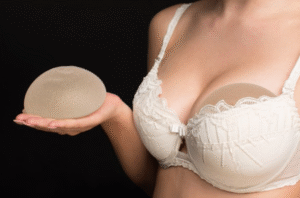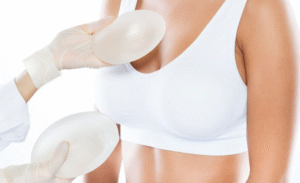
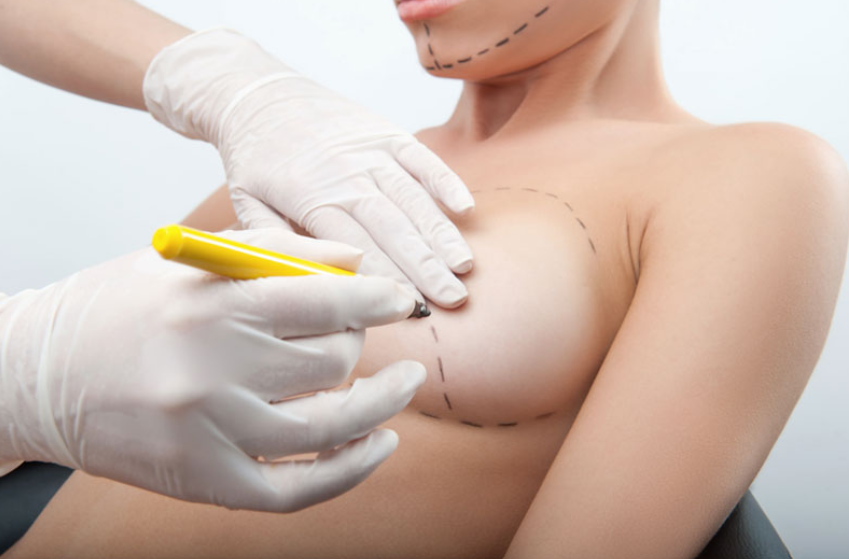
Safety concerns surrounding breast implants deserve serious attention from anyone considering augmentation. Understanding the facts—separating genuine risks from sensationalised fears—empowers informed decision-making. Modern breast implants have undergone extensive research, regulatory scrutiny, and technological refinement, making them safer than ever before.
Dr. Pradeep Kumar Singh, Head of Plastic Surgery at Artemis Hospital in Sector 51, Gurgaon, prioritises patient safety above all else. With over 17 years of experience and a Fellowship from St Louis Hospital, Paris, he uses only internationally approved implants whilst maintaining rigorous surgical standards for patients from Golf Course Road to Defence Colony.
This comprehensive guide addresses common safety questions, explains regulatory frameworks, discusses potential risks honestly, and outlines the precautions that minimise complications.
Understanding Breast Implant Regulations in India
India’s Central Drugs Standard Control Organisation (CDSCO) regulates medical devices, including breast implants. However, discerning patients from DLF Phase 5 to Vasant Vihar should seek implants meeting international standards—specifically US FDA and European CE approval.
US FDA Approved Implants: The United States Food and Drug Administration maintains rigorous approval standards requiring extensive clinical trials demonstrating safety and efficacy. FDA-approved implants undergo continuous post-market surveillance monitoring of real-world outcomes.
CE Marked Implants: European conformity marking indicates compliance with EU safety directives. CE-marked implants meet strict manufacturing, quality control, and clinical performance requirements.
Dr. Pradeep Kumar Singh exclusively uses FDA-approved and CE-marked implants from established manufacturers with proven safety records. During breast augmentation consultations, he discusses specific implant brands, their approval status, and manufacturer warranty programs.
Known Risks and Complications
Honest discussion of potential complications enables realistic expectations. Whilst most patients experience uncomplicated outcomes, understanding possible risks prepares you for informed consent.
Capsular Contracture
The body naturally forms a scar tissue capsule around any implanted device. Occasionally, this capsule tightens excessively, causing firmness, shape distortion, or discomfort. Patients from Magnolias to Greater Kailash should know that modern surgical techniques and implant surfaces have reduced capsular contracture rates significantly. Dr. Pradeep Kumar Singh employs meticulous surgical techniques that minimise this risk.
Implant Rupture
All implants may eventually rupture—they are not lifetime devices. Saline ruptures become immediately apparent as the body absorbs saltwater safely. Silicone gel implants may rupture silently, with cohesive gel remaining within the capsule. Periodic imaging monitors silicone implant integrity.
Infection
Surgical infections occur rarely when proper sterile techniques are maintained. Artemis Hospital’s international-standard operating theatres and strict protocols minimise infection risks. Women from Sushant Lok to Haus Khas benefit from hospital-based surgery rather than clinic settings with limited sterilisation capabilities.
Changes in Sensation
Temporary numbness or altered sensation affects some patients, particularly around the nipple area. Most sensation changes resolve within months; permanent changes occur uncommonly. Incision location and implant placement affect sensation outcomes.
Have safety questions? Book now or call +91 82879 23924 to discuss your concerns with Dr. Pradeep Kumar Singh.
BIA-ALCL: Understanding the Rare Cancer Risk
Breast Implant-Associated Anaplastic Large Cell Lymphoma (BIA-ALCL) is a rare cancer of the immune system—not breast cancer—occurring in some patients with textured breast implants. Whilst serious, this condition remains extremely rare and highly treatable when detected early.
Risk Factors: BIA-ALCL has been associated primarily with heavily textured macro-textured implants. Smooth implants and lightly textured surfaces show significantly lower association. Dr. Pradeep Kumar Singh discusses implant surface options and their relative risk profiles during consultation.
Detection and Treatment: Late-onset fluid collection around an implant warrants investigation. When detected early, BIA-ALCL is typically cured by implant removal and capsulectomy. Regular follow-up appointments enable early detection of any concerning changes.
Perspective: The estimated lifetime risk ranges from 1 in 3,000 to 1 in 30,000, depending on implant type. Patients from Sector 57 to Chanakyapuri should understand this risk in context—it remains significantly lower than many everyday activities.
Breast Implant Illness: Current Understanding
Some patients report systemic symptoms they attribute to breast implants—fatigue, joint pain, cognitive difficulties, and autoimmune-like manifestations. This constellation of symptoms, termed “breast implant illness” (BII), lacks definitive scientific characterisation.
Scientific Status: Large-scale studies have not established causal relationships between breast implants and systemic diseases. However, the medical community acknowledges that some patients experience real symptoms, and research continues investigating potential mechanisms.
Patient Experiences: Dr. Pradeep Kumar Singh takes patient symptoms seriously regardless of scientific uncertainty. For women from Palam Vihar to Vasant Kunj experiencing unexplained symptoms, he discusses options including implant removal, whilst ensuring patients understand the limited evidence base.
How Dr. Pradeep Kumar Singh Minimises Risks
Surgeon Selection: Board-certified plastic surgeons with specific breast surgery training and experience deliver safer outcomes. Dr. Pradeep Kumar Singh’s M.Ch qualification and Paris Fellowship represent the highest training standards. Patients from Golf Course Extension to Jor Bagh benefit from his extensive breast surgery experience.
Hospital Setting: Surgery at Artemis Hospital provides accredited operating theatres, anaesthesia expertise, and emergency response capabilities unavailable in smaller clinic settings.
Implant Selection: Only FDA-approved implants from reputable manufacturers with comprehensive warranty programs. Dr. Pradeep Kumar Singh refuses to use cheaper, unregulated alternatives regardless of cost savings.
Surgical Technique: Meticulous techniques, including the “no-touch” funnel insertion metho,d reduce contamination and capsular contracture risks. Proper pocket creation and implant positioning minimise complications.
Follow-Up Care: Scheduled post-operative appointments monitor healing, detect early complications, and address concerns promptly. Long-term relationships with patients from DLF Camelia to Anand Niketan ensure ongoing safety monitoring.
Experience safe, expert care. Book now or call +91 82879 23924 to schedule your consultation at Artemis Hospital.
Frequently Asked Questions
1. Are breast implants safe for long-term use?
Yes, modern breast implants are considered safe for long-term use based on extensive research. They are not lifetime devices—replacement may become necessary due to rupture or complications—but millions of women worldwide have safely maintained implants for decades. Regular monitoring ensures early detection of any issues.
2. How do I verify my implants are FDA-approved?
Dr. Pradeep Kumar Singh provides complete implant documentation, including manufacturer details, lot numbers, and approval certifications. You receive an implant card identifying your specific implants for future reference. Always request this documentation from any surgeon.
3. What monitoring do I need after surgery?
Regular follow-up appointments assess healing and implant condition. For silicone implants, periodic imaging—MRI or ultrasound—detects silent ruptures. Any sudden changes in breast appearance, firmness, or comfort warrant prompt evaluation.
4. Can breast implants cause autoimmune disease?
Large epidemiological studies have not established causal links between breast implants and autoimmune diseases. However, research continues, and Dr. Pradeep Kumar Singh discusses current evidence honestly during consultations, acknowledging areas of ongoing scientific uncertainty.
5. What happens if I need implant removal?
Implant removal is a straightforward surgery, often performed with capsulectomy (removing the surrounding scar tissue). Options include replacement with new implants, breast lift without implants, or simply removal. Dr. Pradeep Kumar Singh discusses all possibilities based on your situation.
6. Are textured implants still available?
Yes, though some heavily textured surfaces have been withdrawn. Lightly textured and smooth implants remain widely available. Dr. Pradeep Kumar Singh discusses surface options, explaining the relative benefits and risks of each for your specific situation.
Get honest safety information. Book now or call +91 82879 23924 to discuss implant safety with Dr. Pradeep Kumar Singh.
Making an Informed, Safe Decision
Dr. Pradeep Kumar Singh believes that informed patients make confident decisions. Understanding genuine risks—neither exaggerated nor minimised—allows realistic expectations and appropriate precautions. His commitment to safety encompasses every aspect of care, from implant selection to surgical technique to long-term follow-up.
From Nirvana Country to Gulmohar Park, from MG Road to South Extension, patients across Gurgaon and South Delhi trust Dr. Pradeep Kumar Singh for safe breast augmentation surgery. His M.Ch qualification, Paris Fellowship, and 17+ years of experience ensure your safety is prioritised at every step.
Ready for safe, expert breast augmentation? Book now or call +91 82879 23924 to schedule your consultation today.
Or visit Artemis Hospital, Sector 51, Gurugram, Haryana 122001.
Your safety matters most. Let Dr. Pradeep Kumar Singh guide your augmentation journey safely.