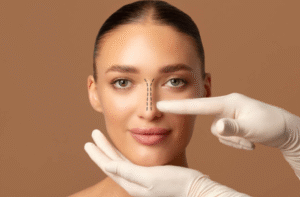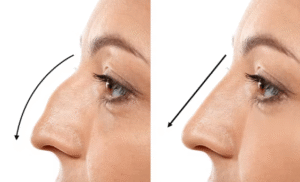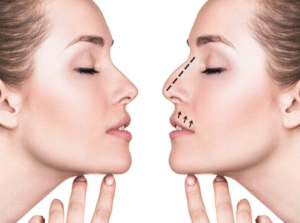
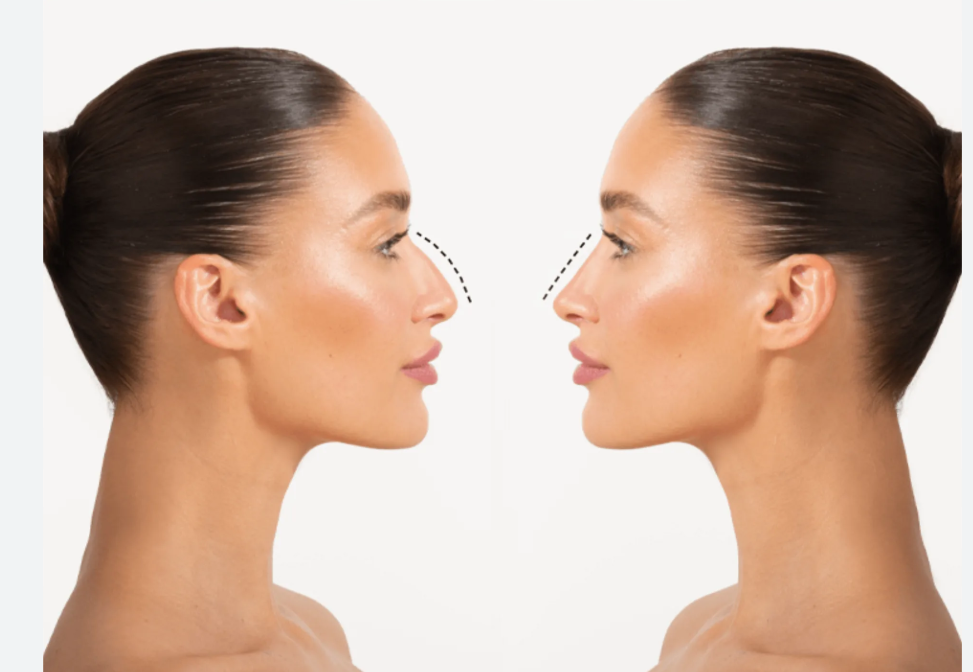
Every face tells a story shaped by heritage, ancestry, and cultural identity. For individuals of Indian descent considering nose surgery, the goal is rarely to erase these unique characteristics—instead, it is to enhance facial harmony whilst preserving the ethnic features that make each face distinctively beautiful. Indian nose rhinoplasty requires a specialised approach that honours your heritage.
Dr. Pradeep Kumar Singh, Head of Plastic Surgery at Artemis Hospital in Sector 51, Gurgaon, brings over 17 years of experience and a Fellowship from St Louis Hospital, Paris, to the art of ethnic rhinoplasty. His philosophy centres on creating results that look like a naturally refined version of you—not someone else entirely. Patients from Golf Course Road to Vasant Vihar seek his expertise because he understands that Indian noses possess unique structural characteristics requiring tailored surgical strategies.
Whether you are concerned about a broad nasal tip or breathing difficulties, rhinoplasty surgery can deliver transformative yet natural-looking outcomes when performed by a surgeon who respects ethnic aesthetics.
What Makes the Indian Nose Structurally Unique?
Understanding the anatomical differences of Indian noses is fundamental to achieving successful rhinoplasty outcomes. These characteristics are features to be thoughtfully refined, not flaws to be corrected.
- Thicker Nasal Skin: Indian skin tends to be thicker with more sebaceous glands, particularly at the nasal tip. This affects how well underlying structural changes show through after surgery and requires specific techniques for optimal definition.
- Broader Nasal Base: The alar base (nostril width) is often proportionally wider in Indian noses. Narrowing must be done conservatively to maintain ethnic authenticity whilst improving facial balance.
- Weaker Cartilage Framework: Indian nasal cartilages are frequently softer and less supportive compared to Caucasian noses, demanding cartilage grafting techniques to build structural support.
- Lower Dorsal Profile: Many Indian patients present with a flatter nasal bridge rather than a prominent hump. Augmentation techniques can create height whilst maintaining natural contours.
- Rounded Nasal Tip: The tip is often bulbous or rounded due to thick skin and divergent lower lateral cartilages, requiring meticulous cartilage reshaping.
Patients from DLF Phase 2 to Defence Colony appreciate that Dr. Pradeep Kumar Singh evaluates each nose individually, recognising that even amongst Indian patients, significant variation exists based on regional ancestry and genetic background.
Curious about ethnic rhinoplasty? Book now or call +91 82879 23924 to schedule your personalised consultation.
Ethnic Preservation vs Westernisation: Finding Your Balance
When surgeons apply Caucasian rhinoplasty principles to Indian noses without modification, results can appear unnatural or operated. A nose that looks beautiful on one face may seem completely out of place on another. Dr. Pradeep Kumar Singh’s approach to nose reshaping procedures involves studying your entire facial structure—including forehead, cheeks, chin, and lips—to design a nose that complements your unique features.
Goals That Honour Heritage
- Proportional Refinement: Reducing tip width whilst maintaining ethnic character, typically achieving 15-20% reduction rather than dramatic narrowing.
- Natural Bridge Enhancement: Building dorsal height using your own cartilage to create a stronger profile without the pinched look common in over-corrected noses.
- Balanced Nostril Adjustment: Alar base reduction performed conservatively to maintain harmony between nose and mouth.
- Functional Improvement: Addressing breathing issues such as a deviated septum alongside cosmetic changes through combined septorhinoplasty.
Families from Magnolias to Greater Kailash trust Dr. Pradeep Kumar Singh because he takes time to understand each patient’s cultural background and aesthetic preferences before recommending a surgical plan.
Surgical Techniques for Indian Nose Rhinoplasty
Indian noses often require additive techniques (building up) rather than purely reductive approaches (removing tissue). This fundamental difference shapes the entire surgical strategy.
- Septal Cartilage: Harvested from inside your nose, septal cartilage provides excellent material for dorsal augmentation, tip support, and spreader grafts.
- Ear Cartilage: When septal cartilage is insufficient, conchal cartilage from the ear offers a soft, pliable alternative ideal for tip refinement in thick-skinned patients.
- Suture Techniques: Reshaping cartilages through strategic suturing rather than aggressive removal prevents collapse, asymmetry, or unnatural pinching.
Residents of Sushant Lok, Sector 56, and Haus Khas appreciate results that look naturally elegant rather than surgically altered—a hallmark of expertly performed ethnic rhinoplasty.
Ready to explore your options? Book now or call +91 82879 23924 to discuss Indian nose rhinoplasty with Dr. Pradeep Kumar Singh.
Recovery After Ethnic Rhinoplasty
Understanding the recovery timeline helps patients from Palam Vihar to Vasant Kunj plan appropriately for their transformation.
- Week 1: Splint remains in place. Swelling and bruising peak around days 2-3. Most patients take 7-10 days off work.
- Weeks 2-4: External splint removed. Social presentability returns, though subtle swelling persists. Light activities resume.
- Months 1-3: The majority of visible swelling resolves. The tip definition begins emerging. Patients from DLF Camelia to Jor Bagh notice progressive improvement.
- Months 6-12: Final refinements appear, particularly in thick-skinned patients, where tip definition continues evolving. Complete healing may take 12-18 months.
Thick Skin Considerations
Indian patients with thicker nasal skin should understand that swelling takes longer to resolve, and final tip definition appears gradually. This is not a complication—it is the natural healing process. Dr. Pradeep Kumar Singh prepares patients for realistic timelines, ensuring expectations align with outcomes.
Choosing the Right Surgeon for Indian Nose Rhinoplasty
Ethnic rhinoplasty demands specialised expertise. Not every plastic surgeon understands the nuances of Indian nasal anatomy. At Artemis Hospital, rhinoplasty consultations include detailed facial analysis and computer imaging to visualise potential outcomes. Professionals from Golf Course Extension, Sector 42, and Chanakyapuri choose Dr. Pradeep Kumar Singh because his Paris Fellowship, combined with extensive experience treating Indian patients, provides an ideal foundation for ethnic rhinoplasty excellence.
Take the first step towards your refined profile. Book now or call +91 82879 23924 to schedule your consultation today.
Frequently Asked Questions About Indian Nose Rhinoplasty
1. Can rhinoplasty make my nose look too Western or unnatural?
When performed by an experienced ethnic rhinoplasty surgeon, your nose will look like a naturally refined version of itself—not someone else’s nose. Dr. Pradeep Kumar Singh specifically designs surgical plans to honour your ethnic heritage whilst achieving your aesthetic goals.
2. Is thick skin a disadvantage for rhinoplasty results?
Thick skin presents unique challenges but provides excellent camouflage of minor irregularities. Achieving tip definition requires specialised techniques, including cartilage grafting and strategic suturing. Final results take longer to appear but can be equally beautiful.
3. How long before I see my final rhinoplasty results?
Most patients see 80% of their results within 3-6 months. However, Indian patients with thicker nasal skin should expect final tip refinement to continue evolving for 12-18 months. Patience during this period rewards you with naturally elegant outcomes.
4. Can rhinoplasty fix my breathing problems along with appearance?
Absolutely. Many Indian patients have a deviated septum or enlarged turbinates, causing breathing difficulties. Functional rhinoplasty addresses these concerns simultaneously with cosmetic improvements through a combined septorhinoplasty procedure.
5. What if I want my nose narrower but still Indian-looking?
This is precisely ethnic rhinoplasty’s goal—refinement without erasure of identity. Conservative techniques create a more defined nose that still looks authentically Indian and complements your facial features.
6. How do I know if I am a good candidate for Indian nose rhinoplasty?
Good candidates are in overall good health with realistic expectations. During consultation at Artemis Hospital, Dr. Pradeep Kumar Singh will assess your nasal anatomy, discuss your goals, and determine whether ethnic rhinoplasty can achieve the outcomes you desire.
Embrace Your Heritage With Confidence
Dr. Pradeep Kumar Singh and his dedicated team at Artemis Hospital understand that your nose is more than just a facial feature—it is part of your identity, your heritage, and your story. Indian nose rhinoplasty, when performed with expertise and cultural sensitivity, enhances confidence whilst honouring ethnic characteristics that make you uniquely beautiful.
From Nirvana Country to Anand Niketan, from MG Road to South Extension, patients across Gurgaon and South Delhi trust Dr. Pradeep Kumar Singh for ethnic rhinoplasty that celebrates rather than erases cultural identity. With his M.Ch qualification, Paris Fellowship, and 17+ years of experience, he brings both technical mastery and artistic vision to every procedure.
Ready to discover how Indian nose rhinoplasty can enhance your natural beauty? Book now or call +91 82879 23924 to schedule your consultation today.
Or visit Artemis Hospital, Sector 51, Gurugram, Haryana 122001.
Your perfect profile—one that honours your heritage—awaits. Let Dr. Pradeep Kumar Singh help you achieve it.