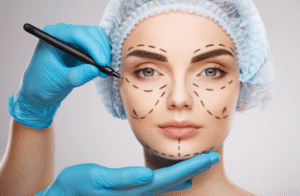

Here is what no one tells you about plastic surgery consultations in Gurgaon: the surgeon talks for thirty-five of the forty-five minutes. They explain what they propose to do. They show photographs. They hand you an information leaflet. And then they ask if you have any questions — and most patients, overwhelmed and a little overawed, say no.
That silence is expensive.
The plastic surgery consultation in Gurgaon is the only moment in the entire surgical process where you have equal standing in the room. Before you sign a consent form, before anaesthesia begins, before a single incision is made — you have the right to ask exactly what you need to know, and a qualified surgeon has the obligation to answer. What follows is not a list of polite icebreakers. These are the clinical, professional, and post-operative questions that reveal whether the person across from you is genuinely the right surgeon for this procedure, this facility, and your specific anatomy.
Dr. Pradeep Kumar Singh, MCh Plastic Surgery (SMS Medical College, Jaipur), Fellowship in Advanced Aesthetic Surgery (St. Louis Hospital, Paris), APSI Member and Head of Department of Plastic Surgery at Artemis Hospital, Gurugram, has structured this guide from the inside of the consultation room. Every question here is one he welcomes — and considers a sign of an informed, appropriately demanding patient.
Before the Procedure Is Discussed: Ask About the Qualification
The first question at any plastic surgery consultation in Gurgaon should not be about technique, not about recovery time, and not about cost. It should be about the surgeon’s NMC-registered postgraduate qualification in plastic surgery.
There is a precise reason for this. In India, the title ‘cosmetic surgeon’ is not legally protected. Any MBBS-registered doctor can describe themselves as a cosmetic surgeon, open a clinic, and begin performing procedures — without holding a single postgraduate surgical qualification. The title ‘plastic surgeon’ in conversation is similarly unregulated. What is regulated and verifiable is the NMC register at nmc.org.in.
The answer you need to hear is: MCh in Plastic Surgery or DNB in Plastic Surgery. Both are NMC-recognised surgical superspecialty qualifications. Both require an MBBS, followed by a three-year MS in General Surgery, followed by a three-year MCh or DNB superspecialty residency specifically in plastic and reconstructive surgery. That is eight to nine years of formal postgraduate surgical training, covering burns management, microsurgery, trauma and hand reconstruction, congenital anomaly correction, head and neck reconstruction, and aesthetic surgery.
No short fellowship, no private aesthetic medicine certificate, and no international diploma that sits outside the NMC framework is equivalent to this. You can read more about exactly what to verify — and where — in the published guide on how to verify a board-certified plastic surgeon in Gurgaon. The distinction between a cosmetic surgeon and a qualified plastic surgeon is also covered in detail here: cosmetic surgeon vs plastic surgeon in Gurgaon — the difference that affects your safety.
A qualified plastic surgeon in Gurgaon states their NMC registration number without pause. Ask for it. Verify it at nmc.org.in before your surgery date, not after.
Important Read: Fat Removal Surgery Gurgaon: Liposuction vs CoolSculpting vs Buccal Fat Removal, Which Is Right for You?
Did the Examination Tell You Something Specific About Your Anatomy?
A plastic surgery consultation without a physical examination is not a clinical consultation. It is a marketing meeting.
The examination is where the entire surgical plan is built. Everything that follows — the technique selection, the incision placement, the implant specification, the expected result — is derived from what the examination reveals about your specific tissue, skin, bone structure, and anatomical proportions. A surgeon who recommends a procedure before examining the body that the procedure will be performed on is planning for an average patient, not for you.
What the examination should cover varies by procedure, but the principle is consistent: the surgeon must assess the underlying anatomical constraints before proposing what can be changed within them.
For rhinoplasty: skin thickness (which in Indian patients with Fitzpatrick Type III-IV skin is typically thicker than the reference images from Western populations patients bring to consultations), alar base width, nasal tip projection, and septal deviation. Thick skin constrains how visible tip cartilage refinement is in the final result — a critical fact that reference photographs from Korean or Western patients frequently obscure. The published guide on facial aesthetic surgery and how the face changes by decade explains the anatomical context that makes this examination finding matter so much for natural-looking results.
For breast surgery: base width measured at the level of the inframammary fold, tissue pinch thickness at the upper pole, nipple-to-fold distance, and skin stretch. These measurements determine implant diameter ceiling, placement approach, and what degree of augmentation remains proportionate to the chest wall. Capsular contracture and revision breast augmentation are more common when implant specifications exceed what the tissue can accommodate — a preventable consequence of examinations that skip these measurements.
For facelift and facial rejuvenation surgery: SMAS laxity, fat compartment assessment, temporal ligament integrity, and skin quality. The facelift technique is chosen from these findings. A deep plane procedure that repositions the SMAS and deep fat compartments produces a categorically different long-term result from a skin-only tightening — but only if the surgeon has assessed which approach the patient’s anatomy actually requires.
After the examination, ask: what specifically did you find in my assessment that changes the approach for me — compared with a textbook description of this procedure? The answer to this question is the clearest possible signal of whether the surgeon is planning for your anatomy or for their preferred technique.
See the results that anatomy-first planning produces in the before and after gallery at Artemis Hospital.
Reference Photographs: Use Them Correctly, or They Work Against You
Reference photographs are the source of more post-operative disappointment than almost any other factor in the consultation process — not because patients bring them, but because neither the patient nor the surgeon translates them into anatomically specific terms before the surgery is planned.
The most common mistake is bringing photographs from patients whose anatomy is structurally different from yours. This is particularly common in Indian patients considering rhinoplasty surgery in Gurgaon, who frequently arrive with reference photographs of Korean or Western patients. Korean rhinoplasty, globally admired for its refined tip definition and narrow bridge, is achieved in skin that is anatomically thinner than most Indian nasal skin. The result that is clearly visible in thin-skinned nasal tissue is often only partially visible in the thicker Indian nasal skin that sits above the refined cartilage framework.
This is not a limitation of surgical skill. It is a physical property of the tissue. And it is something the surgeon must explain clearly, with reference to your specific examination findings, before you agree to a surgical plan. If it is not explained at the consultation, you will discover it at the twelve-month mark — which is exactly when revision rhinoplasty inquiries peak, as documented in the published guide on revision and secondary rhinoplasty in Gurgaon.
Important Read: Hair Transplant Surgery Gurgaon: FUE vs FUT vs DHI, Which Method Gives the Best Natural Results?
When you bring reference photographs, ask these two questions. First: which element of this result is anatomically achievable for my specific nasal or facial structure? Second: which element is not achievable — and what would the maximum equivalent result look like in my tissue?
A surgeon who answers both questions specifically, with reference to your examination findings, is giving you the consultation you deserve. A surgeon who confirms the photograph as the plan without qualification has not examined you thoroughly enough to know what is possible.
The Recovery Questions That Most Plastic Surgery Consultations in Gurgaon Skip
Post-operative planning is consistently the most under-discussed part of any plastic surgery consultation in Gurgaon — and the source of the most anxiety during recovery. These are the three questions that cover it properly:
What does the recovery look like, week by week, for my specific situation?
Not the generic leaflet. Not the average patient timeline. Your recovery, given your examination findings, your age, your skin quality, your occupation, and the specific technique being used. A patient who teaches school needs a different return-to-work plan than one who works at a desk from home. A patient with thicker Indian skin will have a different post-operative swelling pattern after facelift surgery than the published averages from predominantly Western clinical populations. A patient having tummy tuck surgery with concurrent muscle plication needs specific guidance about core engagement restrictions that a simple liposuction patient does not.
Write the answer down in the consultation. The information does not stay in the mind after the appointment, and during recovery — when anxiety is high, and every change in the healing tissue prompts questions — you need the specific terms your surgeon used, not a reconstruction of what you thought they said.
At what point is the result assessable — and what will I see at each stage before that?
The moment of maximum cosmetic disappointment for most plastic surgery patients in Gurgaon is week three. The bruising has cleared. The dressings are off. Everyone around them expects to see a result. And what they see is still a swollen, uneven version of a face or body that does not look like the simulation they were shown at the consultation.
This is normal. It is also completely predictable. And it causes unnecessary revision consultations, unnecessary anxiety, and — in some cases — revisions of results that were still mid-maturation. Ask the surgeon to describe exactly what you will see at the end of week one, at the end of week four, at three months, at six months, and at twelve months. Ask what it will look like if the result is developing normally, and what it will look like if something requires attention. These milestones make the recovery experience navigable instead of alarming.
What is your revision policy, and what is the process if I have a concern between appointments?
This question reveals more about how a practice manages its outcomes than almost any other. A surgeon confident in their results has a clear, transparent revision policy that distinguishes between: a complication (something that went outside the expected range and requires medical correction), a poor result (a result within the safe range but not meeting the agreed outcome), and an expected variation (a normal part of a result that has not yet matured to its final form). These three categories have different implications, different timelines for assessment, and different responses. A practice that does not make this distinction — or that has no stated revision policy — is a practice without accountability for its outcomes.
The One Question That Reveals How a Plastic Surgeon Thinks
After the examination, after the discussion of options, after the risk disclosure, before you leave the room — ask this:
What specifically would you do differently for me, compared with the standard approach to this procedure?
This question cannot be answered generically. It requires the surgeon to synthesise the examination findings, the technique selection reasoning, and the specific anatomical constraints that make your case different from the average presentation they encounter. The quality of the answer is the most direct available signal of whether this surgeon has actually done the clinical thinking required to plan your procedure, or whether they are applying a standard template.
A precise answer sounds like this: because your alar base width is 36 millimetres and your skin thickness is above average for your Fitzpatrick type, I would use a more conservative tip reduction than a patient with thinner skin might require, combined with a structural graft to maintain tip support rather than relying on suture techniques alone — which in thicker tissue tend to lose position over time. That is the answer of a surgeon who has examined you and is thinking about your result.
A generic answer — something like, I use the best technique available for this procedure — is the answer of a surgeon who has not yet done that thinking. That distinction, identified in the consultation room, is worth more than any number of before-and-after photographs or online reviews.
For a full guide on what makes a plastic surgeon in Gurgaon the right choice for any given procedure, see: what patients must verify before choosing the best plastic surgeon in Gurgaon.
Frequently Asked Questions: Plastic Surgery Consultation in Gurgaon
What qualifications should I verify before a plastic surgery consultation in Gurgaon?
Before any plastic surgery consultation in Gurgaon, verify that the surgeon holds an MCh in Plastic Surgery or DNB in Plastic Surgery on the NMC register at nmc.org.in. These are the only NMC-recognised superspecialty qualifications in plastic surgery in India. Additionally, confirm APSI membership at apsi.org.in, and that surgery is performed at a JCI- or NABH-accredited facility. Artemis Hospital, Sector 51, Gurugram, holds both accreditations. The board-certified plastic surgeon verification checklist provides a step-by-step guide to this process.
What is the difference between a cosmetic surgeon and a plastic surgeon in Gurgaon?
A plastic surgeon in Gurgaon holds an MCh or DNB in Plastic Surgery, an NMC-recognised surgical superspecialty degree requiring eight to nine years of postgraduate training. A cosmetic surgeon is a title with no legal protection in India — it can be used by any registered medical practitioner. The training gap can range from eight years to zero. This distinction matters most not during a routine procedure but when something unexpected happens. The detail is covered fully in the published guide: cosmetic surgeon vs plastic surgeon in Gurgaon.
How long should a plastic surgery consultation take in Gurgaon?
A thorough first plastic surgery consultation in Gurgaon takes forty-five minutes to one hour for a single procedure, and longer for combined or complex procedure consultations. This must include a physical examination, a patient history, an options discussion, a risk disclosure, and time for the patient to ask and receive specific answers to their questions. A consultation under twenty minutes has not completed these components. If you felt rushed, request a longer appointment or a second consultation before committing to a surgery date.
Should I get a second opinion before plastic surgery in Gurgaon?
Yes — for any significant elective surgical procedure, a second opinion is advisable and should be encouraged by the first surgeon. A qualified plastic surgeon in Gurgaon provides a written summary of their findings and recommendation after the consultation. You are not obligated to explain your decision to seek another opinion, and a surgeon who discourages this is one who should prompt the second opinion all the more. At Artemis Hospital, second-opinion consultations are available for patients considering procedures elsewhere or reconsidering a previous recommendation.
What should I bring to my first plastic surgery consultation in Gurgaon?
Bring a written list of your specific concerns in priority order. Bring a complete medical history: all current medications including supplements, any previous surgery and outcomes, known allergies, and any diagnosed conditions. Bring relevant investigations from the past twelve months if you have them. If you have reference photographs, bring them — but prepare specific notes on what exactly you like about each image, not a general sense of the look you want. If possible, bring a companion to take notes during the consultation, as most patients retain significantly less information than they expect.
What are the red flags that a plastic surgery consultation in Gurgaon is not being conducted properly?
Red flags include: a recommendation made without physical examination; inability to state an NMC registration number; pressure to book or pay a deposit on the day of consultation; guaranteed results or specific outcome promises before anatomy is assessed; reference photographs confirmed as the surgical plan without anatomical qualification; and a consultation that ends before you have run out of questions. Any of these should prompt either a direct conversation about your concern or a second consultation with a different surgeon.
Can I see the before and after results from Artemis Hospital before my consultation?
Yes. The before and after gallery at drpksplasticsurgeon.com shows results from Dr. Pradeep Kumar Singh’s practice at Artemis Hospital across a range of procedures. Use these to calibrate your expectations for what results look like at different stages of healing, to identify results that resemble your starting anatomy, and to bring specific images to the consultation as a more relevant reference than general internet photographs. The gallery is regularly updated with verified cases from the practice.
Your plastic surgery consultation in Gurgaon is the moment when every subsequent decision is made or foreclosed. Arrive with these questions written out. Do not leave until each is answered specifically and in terms of your anatomy, not in terms of the procedure in general. To book a consultation with Dr. Pradeep Kumar Singh at Artemis Hospital, Sector 51, Gurugram, call +91 82879 23924 or visit Artemis Hospital, Sector 51, Gurugram, Haryana 122001.
Patient reviews and verified results: Dr. Pradeep Kumar Singh on Google.
Dr. Pradeep Kumar Singh: MCh Plastic Surgery — SMS Medical College, Jaipur | Fellowship in Advanced Aesthetic Surgery — St. Louis Hospital, Paris | APSI Member | Head of Department, Plastic Surgery | Artemis Hospital, Sector 51, Gurugram.